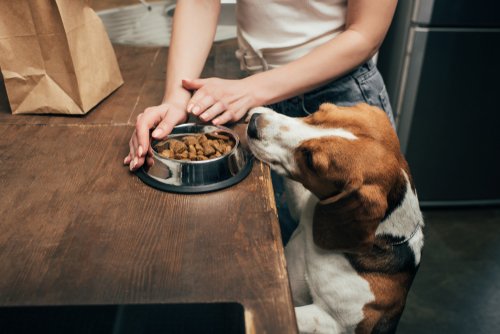
Food aggression is a common behavior issue that can be concerning for dog owners. It often shows up as growling, snapping, stiffening, or guarding behavior when a dog feels threatened during meals or around food.
While it can be alarming, food aggression is usually rooted in instinct, anxiety, or past experiences. It is not a sign that a dog is “bad.”
Understanding why food aggression occurs is the first step toward managing it safely and effectively, especially in households with children or multiple pets.
What Is Food Aggression?
Food aggression is a form of resource guarding. Dogs may protect food, treats, bones, or even empty bowls if they believe access to those resources could be taken away.
This behavior can occur toward humans, other pets, or both. It can range from mild tension to more serious reactions if not addressed early.
Common Causes of Food Aggression
Several factors can contribute to food aggression, including:
- Past food scarcity or competition
- Early life experiences, such as being weaned too early
- Anxiety or fear around losing resources
- Lack of structure during feeding time
- Learned behaviors reinforced over time
Dogs that have experienced uncertainty around food may develop protective behaviors as a way to feel secure.
Recognizing the Warning Signs
Food aggression often escalates gradually. Early signs may include:
- Eating faster than usual
- Stiff body posture near food
- Freezing when approached
- Growling or showing teeth
- Snapping if someone gets too close
Recognizing these signals early allows for safer, more effective intervention and reduces the risk of injury.
Why Punishment Can Make It Worse
Punishing food aggression can increase fear and anxiety, often intensifying the behavior. Dogs may learn to skip warning signs and move directly to snapping or biting if they feel threatened.
Instead of punishment, food aggression should be addressed through structured routines, positive reinforcement, and trust-building strategies that help dogs feel secure.
Safe Ways to Manage Food Aggression
Managing food aggression requires patience and consistency. Helpful strategies include:
- Feeding dogs in a quiet, low-stress environment
- Keeping distance during meals and respecting boundaries
- Using positive reinforcement to associate people with good experiences
- Avoiding sudden reach-ins or bowl removal
- Maintaining consistent feeding schedules
In multi-pet households, feeding pets separately can help reduce competition and stress.
When to Seek Professional Help
If food aggression escalates or includes snapping or biting, it’s important to work with a qualified professional.
Certified trainers or veterinary behaviorists can assess the situation and create a safe, personalized plan. Early intervention is key to preventing long-term behavioral issues and keeping everyone in the household safe.
Creating a Calm Feeding Environment
Structure and predictability help dogs feel secure. Calm routines, consistent meal times, and positive experiences around food all contribute to reducing guarding behavior.
Over time, dogs can learn that food is reliable and does not need to be defended.
Paws For Thought
Food aggression is a manageable behavior when approached with understanding and care. With patience, consistency, and the right support, most dogs can learn healthier responses around food.
For many families, addressing food aggression early not only improves behavior but also strengthens trust between dogs and their owners. This creates a safer, more peaceful home environment.