BLOG

Clean Yards, Happy Homes

Stories, tips, and insights for pet lovers who care about clean spaces and happy tails.

Whether it’s advice on yard hygiene, how to protect your pets from common parasites, or just a peek behind the scenes of our daily scoop routes, this is where we share what we’ve learned, and what matters most to the families we serve. We believe a cleaner yard is about more than looks. It’s about the kind of home you want to come back to, and the neighborhood you want to build.

NEIGHBORS WHO CARE

Why Pet Waste Stations Are Essential for Healthy, Clean Communities

Pet waste stations may seem like small fixtures in parks and neighborhoods, but in growing North Texas communities, they play an important role in keeping shared spaces clean, safe, and enjoyable. As neighborhoods expand and pet ownership increases, simple infrastructure like pet waste stations helps protect the quality of life residents expect.

By making it easy for pet owners to clean up after their dogs, these stations encourage responsible behavior while supporting public health, environmental protection, and confidence in shared outdoor spaces.

What Are Pet Waste Stations?

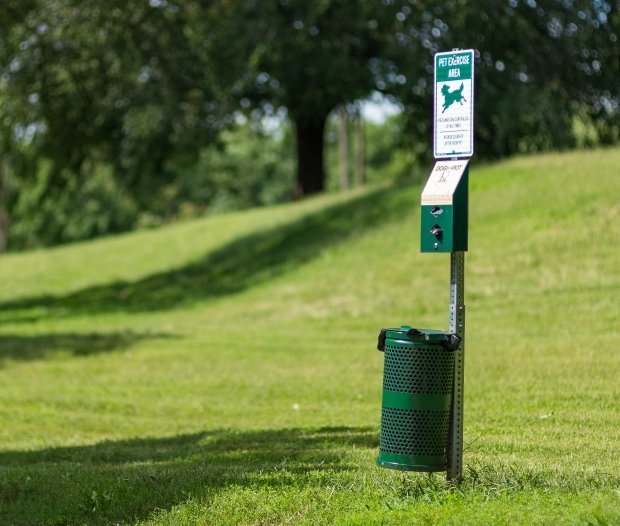
Pet waste stations are designated areas installed in public and shared outdoor spaces such as parks, trails, apartment complexes, and residential neighborhoods. They typically include:

  • A dispenser stocked with pet waste bags
  • A trash receptacle for proper disposal
  • Signage reminding pet owners to clean up after their pets

By removing excuses and increasing convenience, pet waste stations make responsible cleanup the simple, expected choice rather than an afterthought.

Protecting Public Health

Pet waste left on the ground can contain harmful bacteria and parasites that pose health risks to both people and animals. These contaminants don’t stay in one place. They can spread through direct contact, be tracked into homes, or wash into public areas during rain.

Pet waste stations help reduce these risks by encouraging consistent, proper disposal. Cleaner parks and neighborhood spaces create safer environments for families, children, and pets, while also encouraging more people to walk, exercise, and spend time outdoors with confidence.

Keeping The Environment Clean

Beyond being unsightly, pet waste can cause real environmental damage. When rain washes waste into soil and storm drains, bacteria and excess nutrients can pollute local waterways and disrupt ecosystems.

Pet waste stations provide a simple, effective solution by keeping waste out of natural areas. Many stations also offer biodegradable bags, helping communities reduce plastic waste while maintaining clean, healthy green spaces throughout North Texas neighborhoods.

Encouraging Responsible Pet Ownership

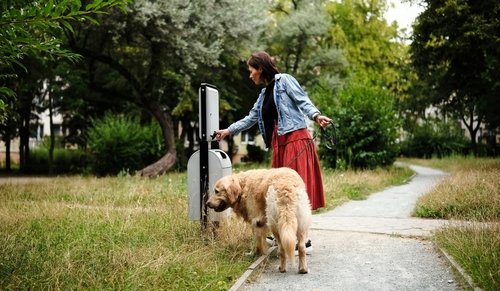
Pet waste stations serve as more than just disposal points. They act as visible reminders that cleaning up after pets is part of being a responsible pet owner and a good neighbor.

Clear signage reinforces expectations and helps build a culture of accountability. When pet owners regularly see and use waste stations, responsible behavior becomes the norm rather than the exception. This benefits the entire community.

Implementing Pet Waste Stations in Your Community

Adding pet waste stations is a practical and effective way to improve shared spaces. Communities can get started by:

  • Identifying high-traffic dog-walking areas such as parks, trails, and residential neighborhoods
  • Installing durable, weather-resistant stations
  • Keeping stations stocked and well maintained
  • Promoting awareness through signage or community outreach

With consistent upkeep, pet waste stations quickly become an easy, everyday part of maintaining clean, usable outdoor environments.

Paws For Thought

Pet waste stations are a simple investment with meaningful benefits. They help protect public health, preserve the environment, and encourage responsible pet ownership. All of this helps make communities cleaner, safer, and more enjoyable for everyone.

For many North Texas neighborhoods, pet waste stations are one of the simplest ways to create outdoor spaces people can use with confidence, day after day.

NEIGHBORS WHO CARE

Beyond the Bag: Innovative Ways to Dispose of Dog Waste Responsibly

Picking up after your dog is a basic part of responsible pet ownership. But how that waste is handled after pickup matters more than many people realize.

In growing North Texas communities, traditional plastic bags and standard trash disposal have long been the norm. However, they don’t always account for long-term environmental or public health impacts.

As neighborhoods expand and pet ownership continues to rise, it’s worth looking beyond the bag and exploring smarter, more sustainable dog waste disposal solutions that protect shared spaces and local ecosystems.

Why Dog Waste Disposal Needs to Evolve

Dog waste isn’t just unpleasant. It can be harmful. Left unmanaged, it can carry bacteria and parasites, contaminate soil and water, and create unsafe conditions in parks, neighborhoods, and other shared outdoor spaces.

Even when waste is picked up, improper disposal methods such as non-degradable plastic bags can contribute to long-term environmental problems. That’s why many communities are rethinking how dog waste is collected, contained, and ultimately disposed of.

Modern Dog Waste Disposal Solutions

Compostable and Biodegradable Waste Bags

One of the most accessible improvements is switching from traditional plastic bags to compostable or biodegradable alternatives. These bags are designed to break down more naturally over time, helping reduce plastic buildup in landfills.

While compostable bags are not a complete solution on their own, they represent a meaningful step toward more responsible waste management. This is especially true when paired with proper disposal practices and consistent cleanup habits.

Dedicated Pet Waste Stations

Pet waste stations remain one of the most effective tools for managing dog waste in shared spaces. These stations provide:

  • Easy access to waste bags
  • Clearly marked disposal bins
  • Visual reminders that cleanup is expected

Strategically placed stations reduce the likelihood of waste being left behind and help create a culture of accountability among pet owners. When stations are well-maintained and thoughtfully located, compliance increases significantly across neighborhoods, parks, and apartment communities.

Sealed and Specialized Waste Containers

Some communities are adopting sealed or pet-waste-specific containers designed to reduce odors and prevent pests. These containers help keep public areas cleaner and more pleasant while ensuring waste remains properly contained until disposal.

Specialized containers are especially useful in parks, apartment complexes, and high-traffic dog-walking areas where standard trash bins may not be sufficient.

On-Site Waste Treatment and Digester Systems

Innovative dog waste digester systems are gaining traction in certain settings. These systems use natural enzymes and bacteria to break down waste on site, reducing the need for frequent hauling and landfill disposal.

While not suitable for every environment, digesters can be effective in dog parks, rural properties, and controlled community spaces when properly installed and maintained.

Professional Pet Waste Removal Services

For many neighborhoods, HOAs, and municipalities, outsourcing pet waste removal to a professional service offers consistency and peace of mind. Professional providers ensure waste is removed on a reliable schedule, stations remain stocked, and disposal is handled responsibly.

This approach reduces the burden on staff or volunteers and helps keep shared spaces clean, safe, and welcoming year-round. This is especially valuable in fast-growing North Texas communities.

Education and Community Engagement

Technology and infrastructure only go so far without public participation. Educational signage, community messaging, and clear expectations play a critical role in improving compliance.

When pet owners understand why proper disposal matters and not just that it’s required, behavior improves and shared spaces benefit.

Looking Ahead

Dog waste disposal is evolving, and communities that adopt smarter solutions today set the standard for cleaner, healthier environments tomorrow.

By combining accessible tools, innovative systems, and responsible habits, it’s possible to manage pet waste in a way that benefits everyone.

Paws For Thought

Moving beyond the bag doesn’t mean abandoning simple solutions. It means improving them.

Thoughtful disposal methods, modern infrastructure, and consistent support all contribute to cleaner spaces and healthier communities.

For many North Texas neighborhoods, responsible pet waste disposal is one of the simplest ways to protect shared spaces and enjoy them with confidence.

NEIGHBORS WHO CARE

Why Dog Poop Removal Service Is Essential for Royse City Pet Owners

Keeping your yard clean shouldn’t be another chore on your to-do list. If you live in Royse City and are tired of dodging dog waste every time you step outside, It’s Our Doody is here to help.

As Royse City continues to grow, so do the demands on our outdoor spaces. Professional dog poop removal gives homeowners a reliable way to maintain a clean, safe yard without the hassle. This service works week after week.

Professional Pet Waste Removal for Royse City Homeowners

Royse City neighborhoods are built for outdoor living. Kids playing, pets running, families spending time outside. All of it depends on having a yard you can actually use.

But dog waste builds up quickly. Without consistent removal, it leads to odors, pests, lawn damage, and health concerns.

Our service is simple and dependable:

We show up on schedule, walk your yard thoroughly using a grid pattern, and leave it clean and ready to enjoy.

No contracts. No stress. Just a consistently clean yard you can count on.

Why Regular Dog Poop Removal Matters

Leaving pet waste in your yard isn’t just unpleasant. It creates real problems over time. Regular dog poop removal helps:

  • Reduce odors and flies
  • Prevent bacteria and parasites from spreading
  • Keep grass healthier and lawns looking better
  • Create a safer space for kids and pets
  • Protect local soil and stormwater systems

A consistently clean yard makes outdoor living more enjoyable and more comfortable for everyone.

Our Royse City Dog Poop Removal Services

We offer flexible service options to fit your household, pets, and schedule:

  • Weekly poop scooping
  • Twice-weekly service
  • One-time cleanups
  • Yard reset cleanups for neglected spaces

Each visit includes a complete, methodical walkthrough to ensure nothing is missed.

What to Expect from It’s Our Doody

When you hire us, you’re not just getting a scoop. You’re getting a professional system built around care, safety, and consistency.

Here’s what sets us apart:

  • Reliable, scheduled service
  • Trained technicians who take the job seriously
  • Text notifications before arrival
  • Closed-gate photos for peace of mind
  • Clean equipment and hygienic practices
  • Safe, responsible disposal of all pet waste

We treat your yard like it matters. Because it does.

Serving Royse City and Nearby Communities

We proudly serve homeowners throughout Royse City and surrounding areas, including nearby communities like Rockwall, Fate, and Caddo Mills.

Whether you live in an established neighborhood or a newer development, we tailor our service to your yard and your pets.

If you’re unsure whether you’re in our service area, just reach out. We’re happy to help.

Get Started with Dog Poop Removal in Royse City

Getting started is easy. No long-term commitments. No awkward scheduling.

If you’re ready for a cleaner yard and fewer worries, request a free quote and let us handle the dirty work. So you don’t have to.

Paws for Thought

A clean yard brings confidence, comfort, and peace of mind. With It’s Our Doody, Royse City pet owners can enjoy their outdoor spaces without worrying about what’s underfoot.

Scooping is caring. And we’re here to help.

NEIGHBORS WHO CARE

12 Fun Outdoor Activities for Pets and Owners, Made Better by Clean Spaces

Spending time outdoors with your pet is one of the simplest ways to strengthen your bond, stay active, and enjoy fresh air together.

In North Texas, where backyards, parks, and neighborhood green spaces are a big part of everyday life, outdoor fun is always better when those spaces are clean, safe, and free of pet waste.

Whether you’re enjoying your own yard or spending time in shared community spaces, maintaining clean environments helps ensure every outing is enjoyable. It should not be stressful.

12 Outdoor Activities That Are Better in Clean Spaces

Backyard Playtime

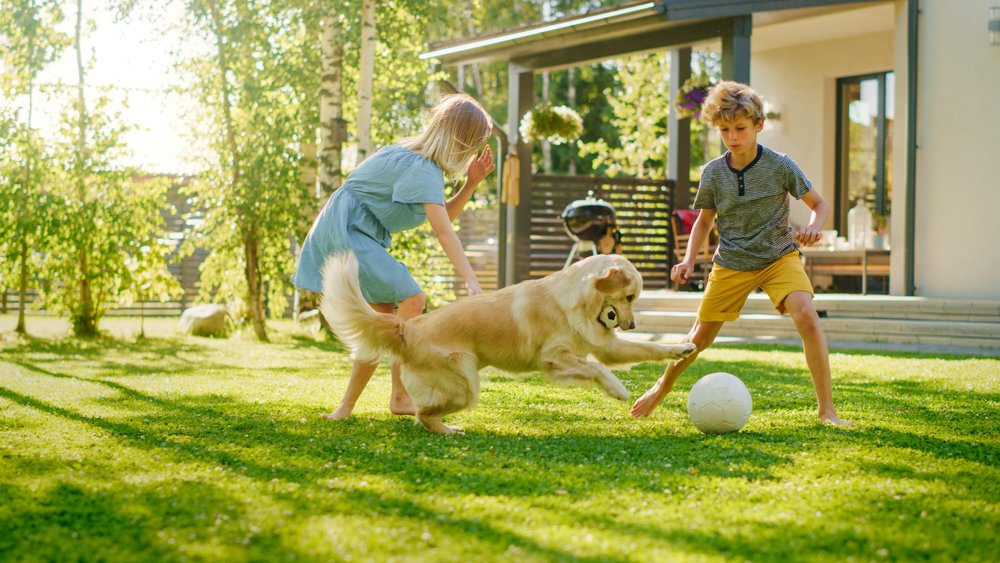
A clean backyard gives your dog the freedom to run, roll, and play without worry. Games like fetch, tug-of-war, or simply letting your dog explore are far more enjoyable when you’re not dodging messes underfoot.

Daily Walks Around the Neighborhood

Neighborhood walks are a favorite routine for many dog owners. Clean sidewalks, trails, and grassy areas make these walks more relaxing and welcoming for pets, owners, and neighbors alike.

Park Visits

Public parks are ideal for exercise and socialization. When parks are free of pet waste, they become safer, more inviting spaces for dogs, kids, and families to enjoy together.

Outdoor Training Sessions

Training your dog outside helps reinforce commands in real-world settings. Clean spaces minimize distractions and health risks, allowing your dog to focus and learn more effectively.

Picnics with Your Pet

Bringing your dog along for a picnic is a great way to spend time together. Clean grass and open areas make it easier to relax, spread out, and enjoy the moment without concern.

Agility and Obstacle Courses

Simple agility or obstacle courses help keep dogs mentally and physically engaged. Clean ground allows your pet to move confidently and safely during play and exercise.

Dog-Friendly Community Events

Outdoor pet events, meetups, and festivals are more enjoyable when cleanliness is prioritized. Clean spaces help these gatherings feel welcoming, organized, and family-friendly.

Relaxing Outdoor Lounging

Sometimes the best activity is doing nothing at all. Lounging in the yard, sunbathing, or relaxing with your dog is far more enjoyable when the space is clean and odor-free.

Family Outdoor Games

When kids and pets share outdoor spaces, cleanliness becomes especially important. Clean yards and parks allow families to play together without health or safety concerns.

Exploring Nature Trails

Trails offer adventure and stimulation for dogs, but cleanliness matters here too. Responsible waste removal helps protect natural environments and keeps trails enjoyable for everyone.

Dog Playdates

Inviting friends and their dogs over is more enjoyable when your yard is clean and welcoming. A waste-free space sets the tone for relaxed, stress-free social time.

Seasonal Outdoor Activities

From spring afternoons to fall evenings outside, clean spaces help you and your pet enjoy every season comfortably. Consistent maintenance keeps outdoor fun reliable year-round.

Why Clean Outdoor Spaces Matter for Outdoor Fun

Pet waste isn’t just unpleasant. It can carry bacteria, attract pests, and limit how people use outdoor areas.

Clean spaces promote healthier environments, encourage more outdoor activity, and help people feel confident using shared or private spaces.

Consistent cleanup makes outdoor time safer, more enjoyable, and more inviting for pets, owners, and communities alike.

Paws For Thought

Outdoor activities with your pet should be about connection, movement, and enjoyment. They should not involve cleanup concerns.

By maintaining clean spaces, you create an environment where every walk, play session, and moment outside feels better.

For many North Texas families, a clean yard or community space makes outdoor fun not just possible, but truly enjoyable.

NEIGHBORS WHO CARE

The Unseen Benefits of Professional Pet Waste Removal Services

When people think about pet waste removal, the most obvious benefit is a cleaner yard. But professional pet waste removal services offer far more than surface-level cleanliness.

Behind the scenes, these services contribute to healthier environments, safer outdoor spaces, and greater peace of mind for homeowners and communities across North Texas.

Here’s a closer look at the often-overlooked advantages of professional pet waste removal.

The Benefits of Professional Pet Waste Removal

Health Protection for Families and Pets

Dog waste can carry harmful bacteria, parasites, and pathogens that pose risks to both humans and animals. When left in yards or common areas, these contaminants can spread through direct contact, tracked soil, or rain runoff.

Professional pet waste removal reduces these risks by ensuring waste is removed consistently and thoroughly. This helps create safer outdoor spaces for children, pets, and anyone spending time outside. This is especially important in shared or high-traffic areas.

Improved Lawn and Soil Health

Pet waste left on grass doesn’t act as fertilizer. In fact, the high concentration of nutrients and bacteria can burn grass, create brown spots, and disrupt healthy soil balance.

Routine waste removal allows lawns to recover and grow evenly. Over time, this supports healthier turf, improved curb appeal, and outdoor spaces that are more comfortable to use and maintain.

Odor Control and Pest Reduction

Pet waste odors tend to worsen over time, particularly during warmer months. These odors can attract flies, rodents, and other pests that quickly become a nuisance.

Professional pet waste removal eliminates odor sources before they escalate, helping keep yards, parks, and common areas fresher and more pleasant for everyone who uses them.

Consistency You Can Rely On

One of the biggest advantages of professional service is reliability. Rather than relying on memory or motivation, scheduled cleanups ensure waste never has the chance to pile up.

Consistent service keeps outdoor areas clean week after week, regardless of weather, busy schedules, or travel. This reliability is especially valuable for families, HOAs, rental properties, and shared green spaces throughout North Texas communities.

More Time and Less Stress

Cleaning up after pets takes time, and it’s rarely anyone’s favorite task. Professional pet waste removal frees homeowners and property managers from an ongoing responsibility, allowing them to focus on what matters most.

Less cleanup stress means more time enjoying clean outdoor spaces, hosting guests, or simply relaxing with confidence in your yard.

Environmental Responsibility

When pet waste is left unmanaged, rain can wash bacteria and excess nutrients into storm drains and local waterways, contributing to environmental pollution.

Professional services handle waste responsibly, reducing runoff risks and helping protect local ecosystems. This is especially important in neighborhoods with shared green spaces, drainage systems, and community parks.

A Better Experience for Shared Spaces

In neighborhoods, apartment complexes, parks, and HOAs, cleanliness directly impacts how people use and enjoy shared outdoor areas.

Professional pet waste removal helps maintain welcoming environments where residents feel comfortable walking, playing, and gathering. Clean spaces signal care, professionalism, and respect for the community. This creates a better experience for everyone.

Paws For Thought

Professional pet waste removal goes far beyond convenience. It supports healthier environments, protects families and pets, improves outdoor spaces, and provides reliable peace of mind.

The benefits may not always be immediately visible, but over time, they make a meaningful difference in how outdoor spaces are used and enjoyed.

For many North Texas households and communities, a consistently clean yard isn’t just nicer to look at. It’s a better place to live.

NEIGHBORS WHO CARE

Why Clean Outdoor Spaces Matter More Than We Realize

Clean outdoor spaces are often taken for granted until they’re not. Whether it’s a backyard, neighborhood lawn, park, or shared community area, cleanliness plays a much bigger role in daily life than many people realize.

From health and safety to comfort and confidence, the condition of outdoor spaces shapes how we live, move, and connect.

In growing North Texas communities, where outdoor living is part of everyday life, maintaining clean environments is essential. This is especially true for pet owners who share spaces with family, neighbors, and pets.

The Connection Between Cleanliness and Health

Outdoor cleanliness directly impacts health. Pet waste left on the ground can carry bacteria, parasites, and pathogens that pose risks to both humans and animals.

These contaminants don’t stay in one place. They can be tracked into homes, washed into storm drains, or spread through direct contact.

Regular cleanup helps reduce these risks and supports healthier environments where families, children, and pets can safely spend time outside with confidence.

How Clean Spaces Encourage Outdoor Living

People are far more likely to use and enjoy outdoor spaces when they feel confident about their cleanliness.

A clean yard invites kids to play, pets to roam, and families to gather. In shared spaces, cleanliness promotes walking, exercise, and positive community interaction.

When outdoor areas feel neglected or unsanitary, people avoid them. This limits opportunities for movement, connection, and relaxation.

The Environmental Impact of Neglected Spaces

Pet waste doesn’t simply disappear over time. When left unmanaged, rain and irrigation can carry waste into soil and local waterways, contributing to pollution and environmental imbalance.

Maintaining clean outdoor spaces helps protect local ecosystems, preserves green areas, and supports long-term environmental health.

Small habits, such as consistent waste removal, make a meaningful difference when practiced regularly.

Cleanliness Builds Trust and Community Pride

In neighborhoods, apartment complexes, and shared green spaces, cleanliness reflects care and responsibility.

Well-maintained outdoor areas signal that a community values its environment and the people who use it. This sense of pride encourages better behavior, stronger accountability, and more respectful shared use of outdoor spaces.

Consistency Makes the Difference

Occasional cleanup helps, but consistency is what truly keeps outdoor spaces usable and safe.

When waste and debris are addressed regularly, they never have the chance to accumulate into larger problems.

Reliable routines, whether handled personally or supported by professional services, are key to maintaining clean, functional outdoor environments across North Texas communities.

Supporting Responsible Pet Ownership

Clean spaces go hand in hand with responsible pet ownership.

Picking up after pets isn’t just courteous. It protects health, preserves shared areas, and sets a positive example for others.

When pet owners commit to regular cleanup, everyone benefits from safer, more enjoyable outdoor spaces.

Paws For Thought

Clean outdoor spaces are more than a visual preference. They are a foundation for healthier living, stronger communities, and better quality of life.

By maintaining clean yards and shared areas, we create environments where people and pets can thrive together.

For many families and neighborhoods, a clean outdoor space isn’t just easier to enjoy. It’s easier to trust, use, and take pride in.

NEIGHBORS WHO CARE

Understanding and Managing Food Aggression in Dogs

Food aggression is a common behavior issue that can be concerning for dog owners. It often shows up as growling, snapping, stiffening, or guarding behavior when a dog feels threatened during meals or around food.

While it can be alarming, food aggression is usually rooted in instinct, anxiety, or past experiences. It is not a sign that a dog is “bad.”

Understanding why food aggression occurs is the first step toward managing it safely and effectively, especially in households with children or multiple pets.

What Is Food Aggression?

Food aggression is a form of resource guarding. Dogs may protect food, treats, bones, or even empty bowls if they believe access to those resources could be taken away.

This behavior can occur toward humans, other pets, or both. It can range from mild tension to more serious reactions if not addressed early.

Common Causes of Food Aggression

Several factors can contribute to food aggression, including:

  • Past food scarcity or competition
  • Early life experiences, such as being weaned too early
  • Anxiety or fear around losing resources
  • Lack of structure during feeding time
  • Learned behaviors reinforced over time

Dogs that have experienced uncertainty around food may develop protective behaviors as a way to feel secure.

Recognizing the Warning Signs

Food aggression often escalates gradually. Early signs may include:

  • Eating faster than usual
  • Stiff body posture near food
  • Freezing when approached
  • Growling or showing teeth
  • Snapping if someone gets too close

Recognizing these signals early allows for safer, more effective intervention and reduces the risk of injury.

Why Punishment Can Make It Worse

Punishing food aggression can increase fear and anxiety, often intensifying the behavior. Dogs may learn to skip warning signs and move directly to snapping or biting if they feel threatened.

Instead of punishment, food aggression should be addressed through structured routines, positive reinforcement, and trust-building strategies that help dogs feel secure.

Safe Ways to Manage Food Aggression

Managing food aggression requires patience and consistency. Helpful strategies include:

  • Feeding dogs in a quiet, low-stress environment
  • Keeping distance during meals and respecting boundaries
  • Using positive reinforcement to associate people with good experiences
  • Avoiding sudden reach-ins or bowl removal
  • Maintaining consistent feeding schedules

In multi-pet households, feeding pets separately can help reduce competition and stress.

When to Seek Professional Help

If food aggression escalates or includes snapping or biting, it’s important to work with a qualified professional.

Certified trainers or veterinary behaviorists can assess the situation and create a safe, personalized plan. Early intervention is key to preventing long-term behavioral issues and keeping everyone in the household safe.

Creating a Calm Feeding Environment

Structure and predictability help dogs feel secure. Calm routines, consistent meal times, and positive experiences around food all contribute to reducing guarding behavior.

Over time, dogs can learn that food is reliable and does not need to be defended.

Paws For Thought

Food aggression is a manageable behavior when approached with understanding and care. With patience, consistency, and the right support, most dogs can learn healthier responses around food.

For many families, addressing food aggression early not only improves behavior but also strengthens trust between dogs and their owners. This creates a safer, more peaceful home environment.

NEIGHBORS WHO CARE

Why Dogs Run Away From Home

Few things are more stressful for a dog owner than realizing their dog has run away. Whether it happens suddenly or gradually, a dog leaving home can be frightening, confusing, and dangerous.

Understanding why dogs run away is the first step toward preventing it and keeping pets safe.

While every dog is different, most runaway situations stem from a combination of instinct, environment, and unmet needs. This is especially true in growing suburban areas across North Texas where distractions and changes are common.

Common Reasons Dogs Run Away

Natural Instincts and Curiosity

Dogs are naturally curious animals. Strong scents, unfamiliar sounds, or visual stimuli can trigger an instinct to explore.

Once a dog follows a scent or distraction far enough, they may lose their sense of direction or become unable to find their way back home. Even well-trained dogs can be influenced by instinct when something exciting captures their attention.

Boredom and Lack of Stimulation

Dogs that don’t receive enough physical exercise or mental stimulation are more likely to seek excitement elsewhere.

Boredom can lead dogs to look for ways to entertain themselves, and escaping the yard or home may become one of those outlets. Regular walks, playtime, training, and interaction help reduce the desire to roam.

Fear, Anxiety, and Loud Noises

Loud noises such as thunderstorms, fireworks, or nearby construction can cause panic in dogs.

When frightened, dogs may try to escape whatever they perceive as a threat, even if it means leaving familiar surroundings. In fast-growing North Texas communities, unexpected noise and activity can increase anxiety-related escapes.

Mating Instincts

Unneutered or unspayed dogs are more likely to run away in search of a mate.

Hormonal instincts can override training and routine, leading dogs to roam far from home. Spaying or neutering significantly reduces this behavior and lowers the risk of runaway situations.

Changes in Environment or Routine

Dogs thrive on consistency. Changes such as moving to a new home, adding new pets, or shifts in family schedules can cause confusion or stress.

In some cases, dogs may attempt to return to familiar locations or seek comfort elsewhere when they feel unsettled.

Inadequate Containment or Supervision

Faulty fences, open gates, or unsecured doors provide easy opportunities for dogs to escape.

Even small gaps or brief moments of inattention can result in a dog slipping away. Regular inspections and supervised outdoor time help reduce accidental escapes.

How to Prevent Dogs From Running Away

Prevention starts with understanding and meeting your dog’s needs. Helpful steps include:

  • Providing regular exercise and mental stimulation
  • Maintaining secure fencing and closed gates
  • Using identification such as tags and microchips
  • Keeping dogs spayed or neutered
  • Reducing anxiety triggers when possible
  • Supervising outdoor time

Consistency, structure, and attention go a long way in keeping dogs safe and close to home.

Paws For Thought

Dogs don’t run away out of disobedience or lack of love. In most cases, they are responding to instinct, fear, boredom, or confusion.

By recognizing these factors and addressing them proactively, pet owners can greatly reduce the risk of their dog running away.

For many families, creating a safe, predictable environment paired with care, routine, and engagement helps dogs feel secure, confident, and content at home.