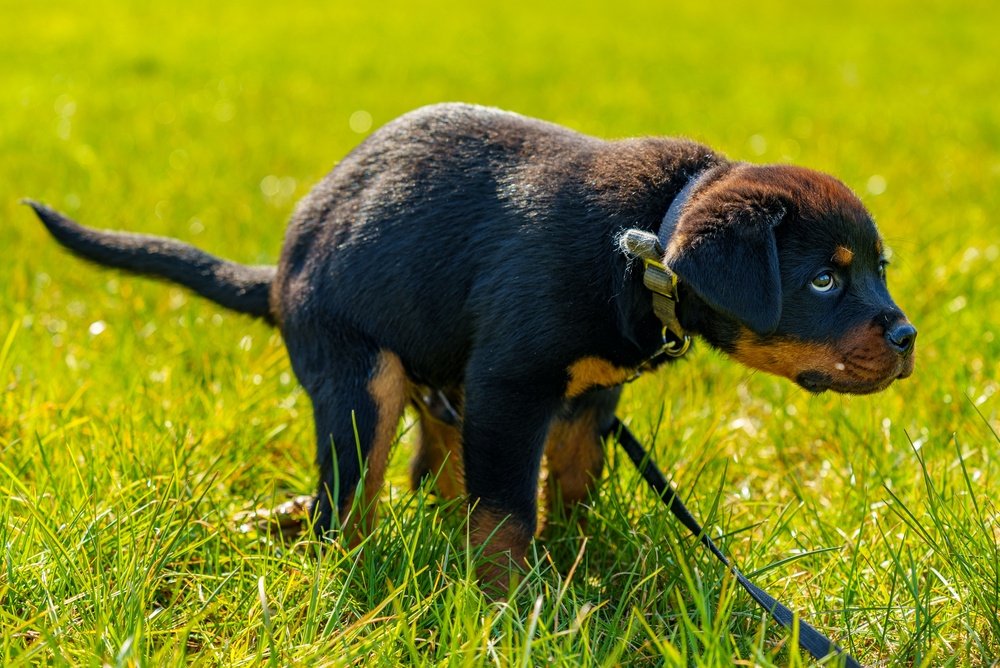
A lush, green lawn is something many homeowners take pride in, especially when it serves as a place for children to play, pets to explore, and families to gather outdoors. However, maintaining healthy grass isn’t just about watering, fertilizing, and mowing. One commonly overlooked factor can have a significant impact on the appearance and condition of a yard: pet waste.
Many people assume that dog waste acts as a natural fertilizer, but that’s a misconception. Unlike manure from grazing animals, dog waste contains a composition that can harm grass, introduce unwanted bacteria, and create long-term issues if left unattended. Understanding why this happens allows homeowners to make informed decisions about lawn care and maintain a cleaner outdoor environment.
Why Dog Waste Isn’t a Fertilizer
One of the biggest misconceptions about dog ownership is that waste naturally benefits a lawn.
The confusion likely comes from the fact that manure from animals such as cows or horses is commonly used as fertilizer. Those animals consume mostly vegetation, producing manure with different nutrient compositions that can be composted safely before application.
Dogs, however, have a very different diet. Their waste contains much higher concentrations of nitrogen along with bacteria and other microorganisms that are not beneficial for residential lawns.
Rather than feeding the grass, dog waste often overwhelms it.
How Excess Nitrogen Damages Grass
Nitrogen is an essential nutrient for healthy lawns, but like many things, balance matters.
Commercial lawn fertilizers carefully regulate nitrogen levels so grass receives the right amount for steady growth. Dog waste delivers highly concentrated nitrogen in one small area, essentially overloading the grass.
The result is commonly referred to as “lawn burn.”
Homeowners may notice:
- Yellow or brown patches
- Dead spots throughout the yard
- Uneven grass growth
- Areas that recover slowly
During periods of hot weather or drought, this damage can become even more noticeable because already stressed grass has a harder time recovering.
Lawn Damage Becomes More Visible Over Time
One isolated incident may not seem like a major concern. However, many dogs develop favorite areas of the yard where they routinely relieve themselves.
Repeated exposure to concentrated waste gradually compounds the damage. What starts as a few small patches can eventually become widespread discoloration that affects the overall appearance of the lawn.
Even homeowners who fertilize, water consistently, and invest in professional lawn care may struggle to maintain healthy grass if waste remains on the property for extended periods.
Bacteria Can Affect More Than Just Appearance
Lawn health isn’t only about keeping grass green.
Animal waste can introduce bacteria and parasites into the environment, especially when left exposed to rain or irrigation. These contaminants may spread into surrounding soil and create less sanitary conditions for both people and pets.
Pet waste can contain bacteria and parasites capable of affecting human and animal health if proper hygiene practices are not followed.
Families with children who frequently play outside or homeowners who enjoy gardening may be particularly mindful of maintaining cleaner outdoor spaces.
Why Odors Become More Noticeable
Another consequence of leaving waste on a lawn is odor.
As temperatures rise, decomposition accelerates. The combination of heat, moisture, and organic material creates stronger smells that can make outdoor spaces less enjoyable.
Backyard cookouts, family gatherings, and evenings on the patio become less appealing when unpleasant odors linger nearby.
Routine cleanup helps reduce these issues before they become noticeable.
Insects Often Follow the Waste
Flies and other insects are naturally attracted to organic waste.
Once waste begins accumulating, it provides both food and breeding opportunities for various pests. Increased insect activity can quickly become another nuisance for homeowners trying to enjoy their outdoor spaces.
Managing waste consistently helps reduce one of the conditions that encourages these unwanted visitors.
Consistency Makes the Biggest Difference
Healthy lawns rarely happen by accident.
Homeowners typically follow regular schedules for mowing, watering, fertilizing, and seasonal maintenance. Waste removal should be viewed in much the same way.
Rather than waiting until multiple areas require attention, consistent cleanup helps prevent many common lawn problems before they begin.
Some practical habits include:
- Removing waste regularly
- Monitoring areas where dogs frequently go
- Watering affected spots when appropriate
- Maintaining healthy mowing practices
- Scheduling pet waste removal if keeping up with cleanup becomes difficult
Small, consistent efforts usually produce better long-term results than occasional large cleanups.
Creating a Yard Everyone Can Enjoy
A healthy lawn contributes to more than curb appeal.
It creates a comfortable place for children to play, pets to roam, and families to spend time outdoors. Maintaining that environment means addressing all the factors that influence lawn health, including those that are sometimes easy to overlook.
By taking a proactive approach, homeowners can preserve both the appearance and usability of their outdoor spaces throughout the year.
Simple pet waste solutions combined with routine lawn care often produce noticeable improvements over time.
Keep Your Lawn Looking Its Best with It’s Our Doody
If staying on top of yard cleanup has become another item on your growing to-do list, It’s Our Doody can help. Regular service helps homeowners maintain cleaner lawns while reducing the issues that accumulated waste can create.
Let us help you keep your yard healthy year-round. Contact us today to find a schedule that fits your household.