Responsible pet ownership extends beyond feeding, training, and caring for a dog at home. It also means considering how a pet’s behavior affects neighbors, public spaces, local wildlife, and the people who share the same environment. Everyday decisions, from cleaning up after walks to following leash rules, help create safer and more welcoming communities for everyone.
The idea of responsible pet ownership is especially important in neighborhoods where dogs regularly use sidewalks, parks, walking trails, and shared green spaces. These areas are enjoyed by people with different needs and comfort levels, so small acts of consideration can make a meaningful difference.
Why Pet Ownership Comes With Community Responsibilities
A dog may be part of one household, but its presence often extends into the neighborhood. Daily walks bring pets into contact with pedestrians, other animals, gardens, playgrounds, and public pathways. That makes an owner’s choices important not only for the dog’s well-being but also for the comfort and safety of others.
For example, allowing a dog to approach strangers without permission can make some people uncomfortable, even if the dog is friendly. Leaving waste on a sidewalk or in a grassy common area creates an unpleasant experience for the next person who uses that space. Letting a dog roam without appropriate supervision can also expose the animal to traffic, unfamiliar dogs, or other hazards.
Being considerate does not mean avoiding public spaces with pets. It means using those spaces in ways that respect shared rules and other people’s boundaries. When owners consistently manage their dogs, clean up after them, and remain aware of their surroundings, everyday interactions become easier for the entire community.
Clean Up After Your Dog, Wherever You Go
Picking up after a dog is one of the most visible responsibilities of pet ownership. Waste left on sidewalks, trails, lawns, and park grounds can create sanitation concerns, unpleasant odors, and avoidable inconvenience for other people. It can also introduce bacteria and parasites into the environment, depending on the waste and local conditions.
Cleaning up promptly helps limit these problems, but what happens afterward matters, too. Responsible pet waste disposal means placing collected waste in an appropriate designated bin or following the rules established for that location. Bags should never be left beside a full waste station, tossed into landscaping, or abandoned along a trail. If a public bin is unavailable, owners should carry the sealed bag until they find an appropriate disposal point.
Private property deserves the same consideration. A dog may naturally stop near a neighbor’s lawn or driveway during a walk, but that does not make the area an acceptable place to leave waste. Owners should be prepared with bags before leaving home and remain attentive throughout the walk rather than assuming cleanup will be needed only at the usual stopping points.
These habits matter even when a space appears empty. Another resident may use the path minutes later, children may play on the grass, or maintenance workers may need to care for the area. Cleaning up is a practical way to respect the shared environment, not merely a response to being watched.
Respect Shared Spaces and Other People
Public spaces work best when pet owners recognize that not everyone interacts with dogs in the same way. Some people enjoy greeting every animal they meet, while others may be afraid of dogs, have allergies, use mobility aids, or simply prefer personal space. A friendly temperament does not automatically mean a dog should approach someone.
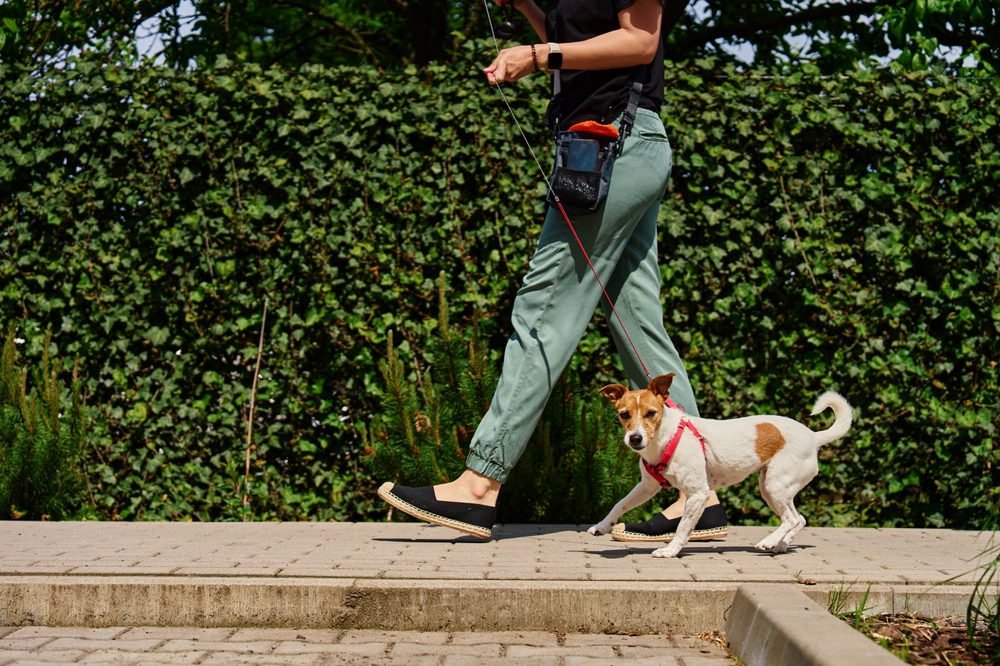
Keep dogs under control according to local leash requirements, and shorten the leash when passing pedestrians, cyclists, children, or other animals in narrow areas. Give people enough room to pass comfortably. Before allowing a dog to greet another person or pet, ask for permission and respect the answer without argument.
Owners should also pay attention to signs and designated-use rules. Some parks restrict dogs from playgrounds, athletic fields, wildlife areas, or particular trails. These restrictions may protect children, sensitive habitats, or other park users. Following them helps preserve access to shared facilities and reduces conflicts between visitors.
Noise is another consideration, particularly in residential neighborhoods. Barking can be a normal form of canine communication, but prolonged or repeated barking may disturb neighbors, especially early in the morning or late at night. Understanding what triggers the behavior, providing appropriate exercise and enrichment, and avoiding situations where a dog becomes persistently distressed can help address the issue.
Protect Wildlife and the Local Environment
Walking a dog outdoors creates opportunities for exercise and exploration, but natural areas require particular care. Birds may nest on the ground, small animals may hide in vegetation, and wildlife can be disturbed by dogs that chase, dig, or wander off established paths.
Keeping a dog leashed where required and preventing it from chasing wildlife helps protect both the animal and the surrounding habitat. Owners should also avoid allowing dogs to drink from stagnant water or investigate unfamiliar dead animals. If an area has posted warnings about wildlife, water quality, or seasonal restrictions, those notices should guide where and how a dog can safely explore.
Pet waste is an environmental concern as well. Rain can carry waste and its contaminants from sidewalks, lawns, and other surfaces into storm drains and waterways. Unlike some common assumptions about animal manure, dog waste should not be treated as a suitable fertilizer for public lawns or gardens. Removing it promptly helps reduce unnecessary contamination and keeps outdoor spaces more pleasant.
Environmental responsibility also includes choosing appropriate walking routes and avoiding damage to landscaping. Keeping dogs on designated paths, preventing unnecessary digging, and packing out waste are small habits that collectively help maintain the places people and pets enjoy.
A Practical Checklist for Responsible Outings
Before heading out with a dog, a few simple preparations can prevent common problems. The following checklist helps owners think beyond the immediate walk and consider the needs of their pet, other people, and the environment.
- Bring enough waste bags for the outing, plus an extra in case plans change or the walk takes longer than expected.
- Carry a leash that gives you reliable control in crowded areas, near roads, and around unfamiliar dogs.
- Bring water for longer outings or warm weather, and offer breaks when your dog shows signs of fatigue or overheating.
- Check local rules before visiting a new park, trail, beach, or community green space.
- Keep your dog away from unfamiliar food, discarded trash, wildlife, and standing water that may be contaminated.
- Watch your dog’s body language and create distance when the animal appears frightened, overstimulated, or uncomfortable.
- Dispose of waste properly and leave the area as clean as you found it.
Preparation is particularly useful when visiting unfamiliar places. A trail may have limited waste bins, a park may require dogs to remain on designated paths, or a neighborhood event may bring more people and animals into a small area. Thinking ahead allows owners to respond calmly rather than improvising when a problem occurs.
Teach Good Habits Through Consistency
Dogs learn through repetition, clear expectations, and appropriate reinforcement. Responsible behavior in public is easier to maintain when basic skills are practiced at home before they are needed in busy or unfamiliar settings.
Reliable recall, walking calmly on a leash, responding to cues such as “leave it,” and settling when asked can help owners manage everyday situations. These skills do not require a dog to be perfectly obedient in every circumstance, but they can make it easier to redirect attention away from hazards or prevent unwanted approaches.
Training should also account for the dog’s age, temperament, and experience. A young dog may need more distance from distractions, while an older dog may require slower walks and more frequent rest breaks. If a dog repeatedly lunges, reacts fearfully, or struggles to remain under control around other animals, working with a qualified trainer or veterinary professional can help identify an appropriate approach.
Consistency matters because public behavior is not shaped by training alone. Owners must reinforce boundaries during ordinary outings, not only when a problem develops. With practice, responsible pet ownership becomes part of a dog’s routine and helps make shared environments more predictable for everyone.
Common Questions About Responsible Pet Ownership
What should I do if there is no waste bin nearby?
Carry the sealed waste bag until you reach an appropriate disposal point. If you are visiting a trail or park without convenient bins, plan ahead and bring a way to carry the bag securely. Leaving it on the ground, even temporarily, shifts the problem to another person and can allow the bag to become damaged or scattered.
Should I let my dog greet other dogs during walks?
Only when the situation is appropriate and both owners agree. Not every dog enjoys meeting unfamiliar animals, and even sociable dogs may react differently when they are tired, frightened, or on a short leash. Keep enough distance to avoid forcing an interaction, and do not assume that two dogs will get along simply because they appear calm.
Why is leash etiquette important if my dog is friendly?
Leash etiquette helps owners maintain control and gives other people room to move comfortably. A dog that suddenly approaches a stranger, crosses a walking path, or rushes toward another animal can create a stressful or unsafe situation regardless of its intentions. Following local leash rules and paying attention to surroundings makes public outings more manageable for everyone.
Does responsible pet ownership include what happens at home?
Yes. Cleanliness and safety at home influence how dogs use outdoor spaces and how comfortably families can share them. Regular waste cleanup, secure fencing, proper supervision, and safe disposal practices all contribute to a healthier environment. Owners who establish these routines at home are better prepared to maintain similar standards when visiting parks, sidewalks, and other shared places.
Make Responsible Pet Ownership Part of Everyday Life
Responsible pet ownership is not defined by one perfect walk or a single act of consideration. It develops through everyday decisions: cleaning up after a dog, respecting boundaries, following local rules, protecting wildlife, and making sure an animal can enjoy public spaces without creating unnecessary problems for others.
These habits benefit more than the individual household. They help keep neighborhoods cleaner, reduce avoidable conflicts, and preserve outdoor areas for future visitors. When pet owners take responsibility for their dogs both inside and outside the home, they contribute to a community where people and animals can share space more comfortably.
Keep Your Outdoor Space Cleaner With It’s Our Doody
Caring for a dog includes maintaining the spaces where it plays and relieves itself. It’s Our Doody is a local, family-run, fully insured pet waste removal service serving Rockwall, Kaufman, Collin, and Dallas Counties. Our scheduled and one-time cleanup options help pet owners stay on top of yard maintenance while keeping collected waste off their property.
Contact us today to discuss pet waste cleanup options that can help you maintain a cleaner yard for your family and pets.