A backyard should be a place where families can relax, children can play, and pets can enjoy the outdoors. Yet even well-maintained yards can become attractive to unwanted pests if one important task is overlooked: cleaning up after dogs. While many homeowners associate insects and rodents with overflowing trash cans or standing water, pet waste can also become a significant attractant.
During warmer months especially, waste left in the yard provides food sources, breeding grounds, and shelter opportunities for a variety of insects and animals. The longer it remains, the more likely it is to draw unwanted visitors that make outdoor spaces less comfortable and, in some cases, less sanitary.
Routine cleanup is an important part of outdoor maintenance, which is why recurring services, such as those offered by It’s Our Doody have become a practical solution for busy pet owners.
Key Takeaways
- Pet waste attracts flies, rodents, and other pests looking for food and breeding areas.
- Warm weather accelerates decomposition, making waste even more appealing to insects.
- Accumulated waste can create ongoing pest problems if left untreated.
- Routine cleanup helps reduce odors and removes one of the primary attractants from your yard.
- Consistent maintenance supports a cleaner and more enjoyable outdoor environment.
Why Pet Waste Attracts Pests
To insects and scavenging animals, pet waste represents an easily accessible food source.
As waste begins breaking down, it releases odors and organic compounds that many pests can detect from surprising distances. While homeowners may only notice an unpleasant smell, flies, beetles, rodents, and other animals recognize these scents as signals that food is available.
The longer waste remains outdoors, the stronger those odors become, increasing the likelihood that pests will find their way into the yard.
Flies Are Often the First Visitors
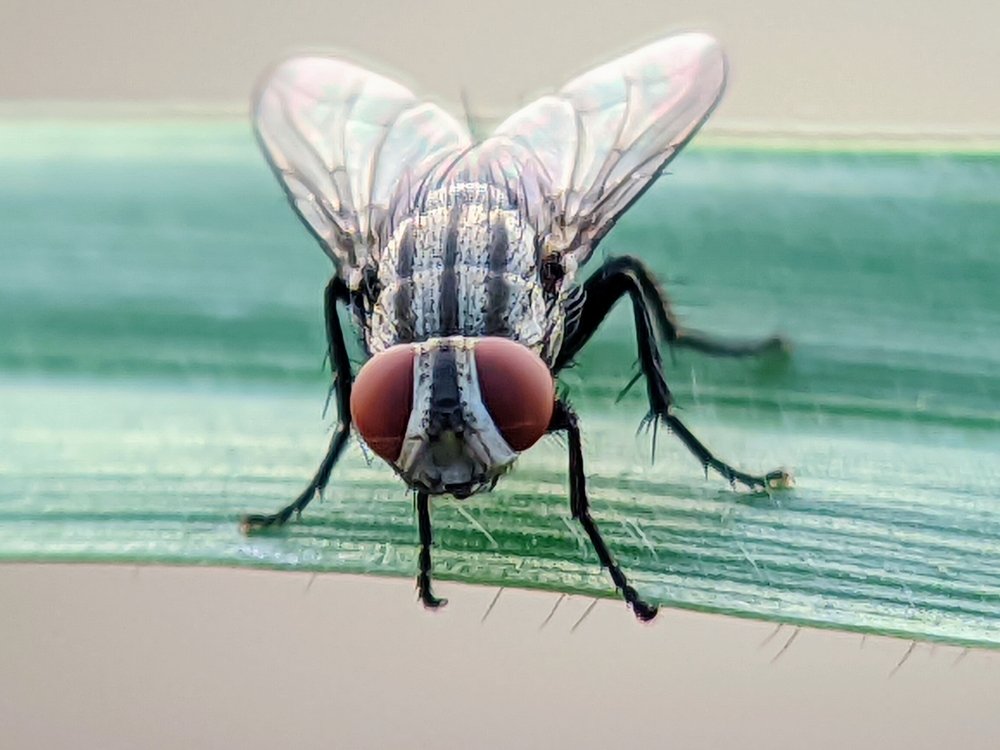
One of the most common pests associated with pet waste is the housefly.
Flies are naturally drawn to decaying organic material because it provides an ideal environment for feeding and laying eggs. Once flies locate waste in a yard, they may remain nearby as long as conditions continue to support their lifecycle.
What starts as a few flies can quickly become a larger nuisance during warm weather, particularly if waste accumulates over several days.
Besides being irritating, flies can also spread bacteria after landing on contaminated surfaces. Animal waste can contain bacteria and parasites that may present health concerns if proper sanitation practices are not followed.
Rodents May Follow Food Sources
Although rodents are often associated with garbage or bird feeders, they are opportunistic animals that search for readily available food.
A yard containing accumulated pet waste may become more attractive to mice or rats, particularly if other food sources are nearby. Once rodents begin exploring a property, they may also investigate storage sheds, garages, crawl spaces, and landscaping for shelter.
While pet waste alone may not create a rodent infestation, it can become one contributing factor among several that encourage pests to remain in the area.
Beetles and Other Insects Also Benefit
Flies aren’t the only insects interested in organic waste.
Dung beetles, ants, and various scavenging insects are naturally drawn to decomposing material. Their activity is part of nature’s recycling process, but homeowners generally prefer that process take place somewhere other than their own backyard.
Increased insect activity may also attract larger predators, creating an even broader chain of unwanted wildlife around the property.
Warm Weather Makes the Problem Worse
Pest activity naturally increases during spring and summer.
Higher temperatures speed up decomposition, causing waste to produce stronger odors more quickly. At the same time, insect populations become more active as breeding seasons begin.
This combination creates ideal conditions for pests. Waste that might attract minimal attention during cooler months can become a much stronger attractant once temperatures consistently rise.
Humidity often compounds the issue by slowing evaporation and allowing odors to linger longer around outdoor living areas.
More Than Just an Inconvenience
Many homeowners think of flies or insects as little more than a seasonal annoyance, but recurring pest activity can affect how people use their outdoor spaces.
Backyard cookouts become less enjoyable when flies gather around food. Children may be less inclined to play outside, and pet owners may become frustrated by constant insect activity during walks through the yard.
The issue extends beyond comfort. Certain pests can transport bacteria between contaminated surfaces and areas where people eat, garden, or spend time outdoors.
Reducing attractants helps support both cleanliness and overall yard enjoyment.
How Routine Cleanup Helps Prevent Pest Problems
The most effective way to discourage pests is to remove what attracts them in the first place.
Regular cleanup limits the amount of time waste remains exposed outdoors, reducing odors before they intensify and eliminating potential breeding sites for insects.
Simple habits that help include:
- Cleaning the yard consistently
- Monitoring areas dogs use most often
- Keeping trash containers properly sealed
- Removing standing water that attracts insects
- Scheduling pet waste removal when life gets busy
Rather than waiting until flies or pests become noticeable, proactive maintenance helps interrupt the conditions that encourage them to appear.
A Cleaner Yard Supports a Healthier Outdoor Space
Preventing pests is only one benefit of maintaining a clean yard.
Routine cleanup also contributes to better lawn appearance, fewer unpleasant odors, and a more welcoming outdoor environment for family gatherings and everyday activities.
Many homeowners already invest time in mowing, watering, landscaping, and seasonal lawn care. Adding consistent pet waste solutions to that routine helps protect the value of those efforts while making outdoor spaces more enjoyable throughout the year.
Keep Your Yard Cleaner and Less Inviting to Pests
If keeping up with yard cleanup has become difficult, It’s Our Doody can help you stay ahead of odors, insects, and the challenges that come with accumulated pet waste. Consistent service helps keep your outdoor space cleaner so you can spend more time enjoying it. Contact us today to find a schedule that fits your household.